
Quotation factors
What affects the price of plastic cards?
Plastic card pricing depends on quantity, construction, print, finish, data, artwork and delivery. This page explains the information used to prepare a tailored business quotation.
Materials, thicknesses, finishes, personalisation and technical options are confirmed for each quotation.
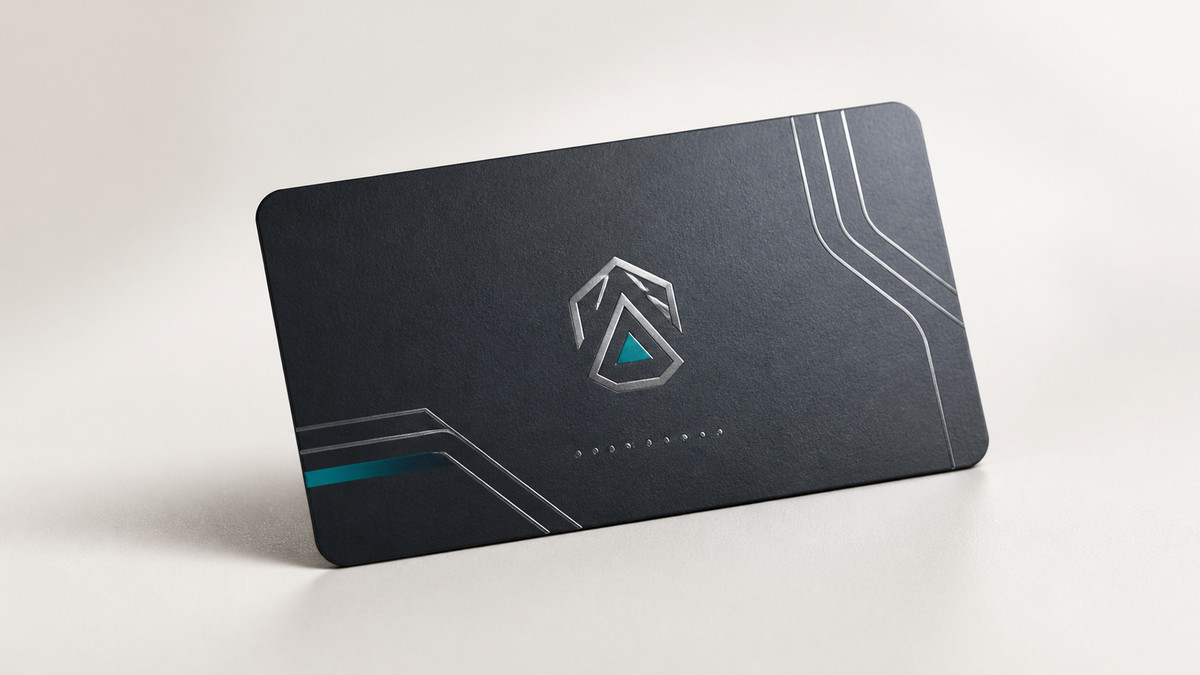
Quote inputs
The details that turn a rough enquiry into a useful quote.
| Decision area | What to confirm | Why it affects the quote |
|---|---|---|
| Quantity, versions and repeat runs | Run size, number of designs, split quantities and whether the card is likely to be reordered. | Setup, production method and packing are shared differently across a larger run, so higher quantities generally reduce the unit cost. |
| Material, size and thickness | Standard plastic, clear, frosted, metallic-effect or technical construction, plus the required finished dimensions and thickness. | Material consumption, handling, tooling and equipment compatibility change with the card construction and format. |
| Print sides, colour and white ink | One or two printed sides, colour coverage and any opaque white layer required for clear, frosted or metallic-effect areas. | Each printed layer and side changes file preparation, setup and production time. |
| Finish, embossing and die cutting | Surface finish, metallic effect, foil or tipping, physical embossing, signature areas, custom shape, holes, slots and tooling. | Special processes may require separate setup, approved templates, safe areas, tooling and additional production checks. |
| Variable data and encoded technology | Names, numbers, barcodes, QR codes, magnetic stripe data, RFID/NFC chip, supported encoding and provider-supplied specifications. | Changing records and encoded credentials require clean source files, compatibility information, record matching and an agreed checking process. |
| Artwork, timeframe and delivery | Artwork readiness, design help, proofing contacts, required date, delivery destination and packing requirements. | Unresolved artwork, compressed production windows and freight requirements affect the practical production plan and quotation. |
- Quotes are prepared around the actual card specification rather than a fixed public price.
- Larger quantities generally reduce the unit cost because setup is spread across more cards.
- For complex card projects, we may clarify data, artwork or system requirements before quoting.
- RFID, NFC, magstripe and variable-data jobs should include the system or data requirements where known.
What affects the quote
The card specification matters more than a single unit rate.
Quantity and versions
Run size, split quantities and repeat plans affect setup and unit economics; larger quantities generally reduce the cost per card.
Material and format
Material, finished size, thickness and clear, frosted, metallic-effect or embedded constructions follow different production paths.
Print and opacity
One or two printed sides, colour coverage and white ink layers change artwork preparation and production scope.
Finishing and tooling
Embossing, tipping, metallic effects, signature areas, die-cut shapes, holes and slots can add process or tooling requirements.
Data and technology
Names, numbers, codes, magnetic stripes, RFID/NFC chips and encoding require agreed files and compatibility specifications.
Artwork, time and delivery
Design readiness, proofing, production timeframe, packing, destination and freight all shape the final quotation.
Before you ask for a quote
Gather the details that remove uncertainty.
- Card type and intended use.
- Quantity and whether there will be repeat runs.
- Finished size, thickness and material preference.
- One or two printed sides and any white-ink requirement.
- Finish, embossing, metallic effect, die cutting, holes, slots or signature areas.
- Names, numbers, codes, magnetic stripe, RFID/NFC chip or encoding specification.
- Artwork readiness, production timeframe, packing and delivery destination.